
醉后决定爱上你
机械拉手显眼被吐槽?理想高管回应设计争议_我的网站

一 | 近日,理想汽车产品线负责人汤靖在社交平台发文,回应理想汽车在有电子门把手的情况下仍设计明显机械拉手的问题,表示门把手存在“应急”和“紧急”两种定位不同的产品设计思路。
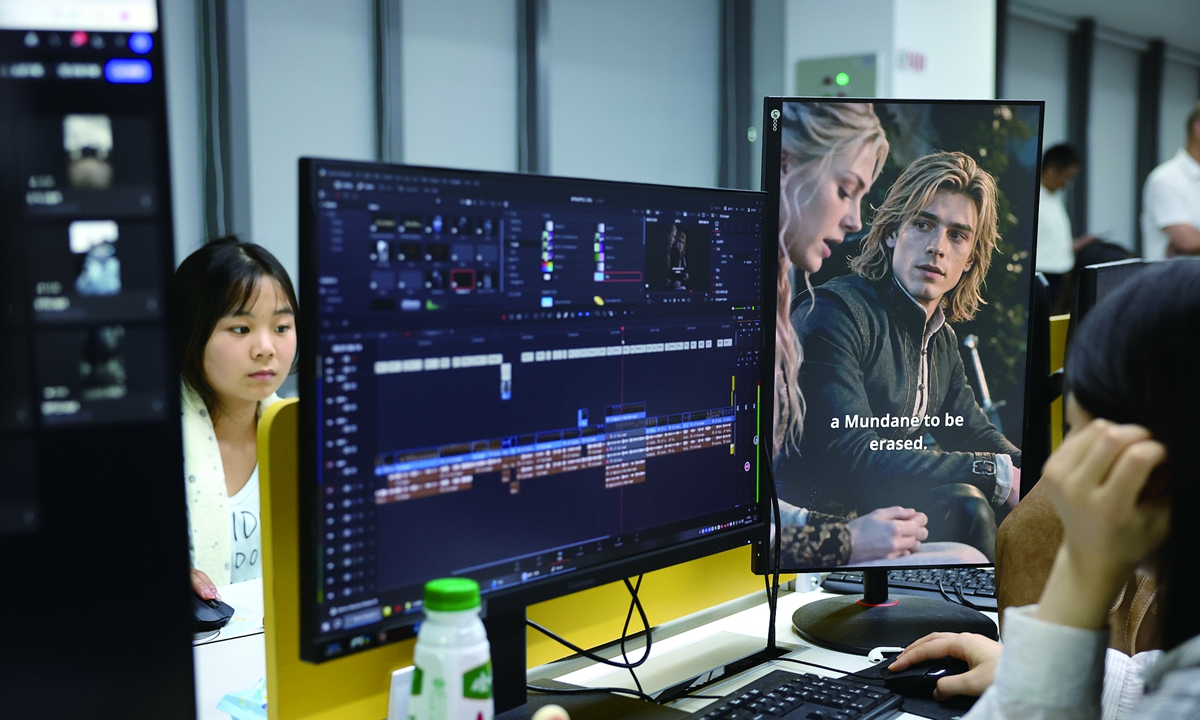
Open Douyin, the Chinese version of TikTok, and AI-generated short dramas are hard to miss.
The stories span almost every genre familiar to Chinese audiences, from fantasy and immortal cultivation to urban romance and period tales.
The biggest difference is that the actors, settings and even many of the visual elements are generated by artificial intelligence (AI).
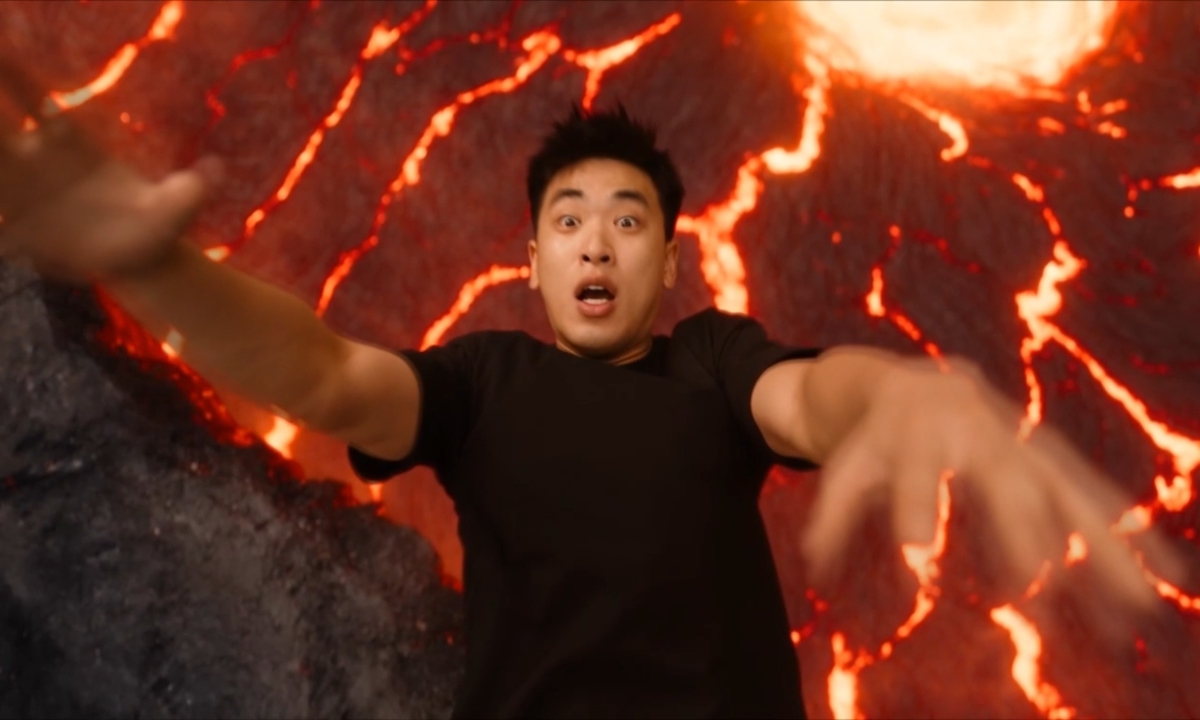
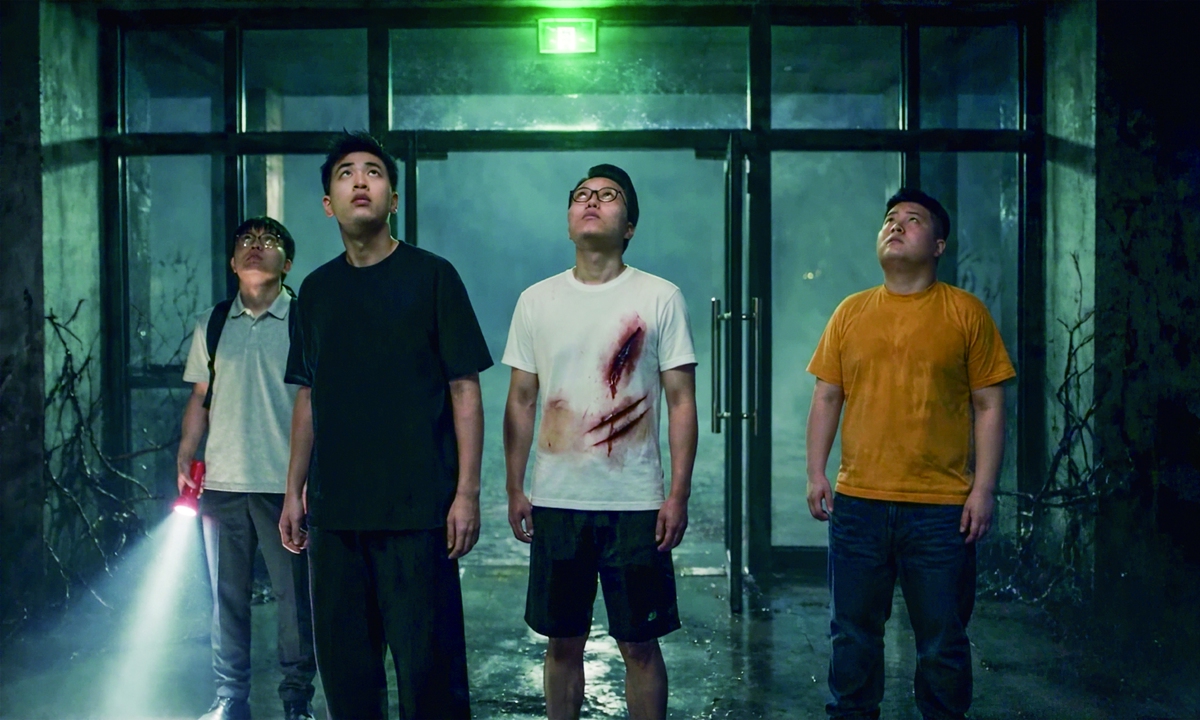
One of the latest hits is The Inverse Zone, an original mystery-thriller about monsters that has been dubbed an AI version of Stranger Things. The series has released three episodes so far, each receiving more than 1 million likes on Douyin.
Yet the team behind it consists of just three people, all born after 2000.
While Hollywood is still catching up with the short drama boom, China's short-drama industry is already moving into the AI era.
For many young creators, AI is not just another tool - it is a door that small teams could never have opened before.
"We've always wanted to make professional film and television content, with visual language, complete storytelling and a cinematic feel," Hu Hai, a member of the team behind The Inverse Zone, told the Global Times. "But the cost and barriers of live-action production were too high. Small teams had little chance to realize high-quality film and television projects."
As increasingly capable domestic AI models emerged, that door began to open. "The maturity of AI creative tools made us see new possibilities," Hu said.
The explosive growth of AI-generated short dramas is a double-edged sword: It opens doors for some, but leaves many in the industry uncertain about what comes next. Many actors who once benefited from the short-drama boom are now finding work increasingly scarce, with some turning to other professions. Meanwhile, the use of celebrities likenesses in AI-generated content (AIGC) has ignited a fresh wave of debate.
Where is the industry headed next? Global Times reporters spoke with AI creators, short-drama actors and industry experts about the opportunities and uncertainties ahead.
Lowering barriers
Hu studied directing and filmmaking in college. His team initially focused on short comedy videos, a field with relatively low production costs and less barriers to entry. But after years of producing this type of content, they eventually reached a creative plateau. That began to shift as more advanced AI tools came onto the scene.
To produce The Inverse Zone, the team used domestic video-generation models Seedance 2.0 and 2.5. The series took nearly two months to prepare, including world-building, character design and establishing a consistent visual style. "Seedance is the best in the world. It's extremely advanced. There's no model in Europe or the US that is more useful than it," Hu told the Global Times.
The technology does not mean production is effortless, however.
According to Hu, a typical episode costs around 4,000 to 5,000 yuan ($593-$741) to produce, while episodes involving large-scale scenes, complex special effects or demanding lighting and rendering can cost more than 10,000 yuan.
The team used AI for image generation, basic voice work and material rendering, while humans remained responsible for the script, character development, cinematography and post-production.
"The soul of the entire series is still controlled by people," Hu said. "All the key creative decisions are manually adjusted and repeatedly reviewed."
Ya Cen, operations head of AI video platform LibTV, told the Global Times that the AI short-drama ecosystem is now characterized by small teams, high productivity and strong individual styles. "The most direct value of AIGC is that it has lowered the geographic and financial barriers to film and television production," she added.
Actors in AI era
Yet the rise of AI short dramas is also creating new tensions.
AI-generated characters are now building fanbases, landing brand endorsements, and being described as the next generation of digital stars. At the same time, many celebrities including Taiwan actress Joey Wong have reportedly given permission for their younger likenesses to be used in AIGC.
The impact extends beyond celebrity likenesses. It is also being felt by people who once benefited from China's booming live-action short-drama industry.
The short-drama boom created opportunities for large numbers of actors, many of whom could quickly become recognizable faces. However, as AI-generated productions expand, some performers are finding fewer acting opportunities and turning to other professions.
Chongqing native Luo Xinyuan, 21, has experienced that shift firsthand.
She spent more than a year in Hengdian, East China's Zhejiang Province as a short-drama actress. Since May, she has worked at a scenic area playing Huang Rong, a character from a classic Chinese martial arts novel The Legend of the Condor Heroes.
"When short dramas were at their peak, there were lots of fast-paced, feel-good stories," Luo told the Global Times. "But that kind of content is difficult to sustain. Without richer and more meaningful stories, the pressure from AI short dramas will make things even harder."
For many short-drama actors, the disruption is likely to be structural rather than an immediate wholesale replacement, Zhang Peng, a cultural researcher and associate professor at Nanjing Normal University, told the Global Times. The question of celebrity likenesses may prove even more complicated.
Zhang warned that unrestricted authorization could raise concerns over control and revenue sharing. Without clearer rules, the technology could put further pressure on ordinary actors.
The next stage may not be a choice between humans and machines, but a new production model in which the two increasingly work together.
For creators such as Hu, that possibility is already here.
"AI has finally given young creators like us the opportunity to realize the film and television dreams we've had for years," he said.
。

二 | 他表示,“理想的车,既然已经有电子门把手了,为什么还要把机械拉手设计得那么明显?”其实想明白一句话就够了,你到底把它定位成什么,是“应急”还是“紧急”。

三 | 汤靖对两种场景分别阐述。“紧急”场景下,比如碰撞、断电,人在高度紧张和恐惧中本能去抓的东西,那它就必须越明显越好、越直接越好、越符合直觉越好。最好一眼就能看到,伸手就能够到,不需要任何思考。就像灭火,你不会把灭火器藏在柜子最里面。“应急”场景下,比如电子锁偶尔失效或某些功能暂时不可用,需要手动开门,那它就不需要那么显眼。因为用户在这种情况下有心理准备,可以花点时间去找、去摸索,甚至翻翻说明书才知道怎么用。汤靖总结称,这本质上是产品定义阶段的选择,用户可根据不同场景选择使用哪个,“这没什么好争的”。2025年9月,央视网发表评论指出隐藏式门把手的安全痛点,多数纯电控隐藏式门把手没有机械冗余设计,碰撞断电后直接失效。中保研碰撞测试数据显示,配备电子门把手的车辆碰撞后从外部开启的成功率远低于机械式门把手。

四 | 2026年1月1日起,中国正式实施新国标,禁止全隐藏式车门把手,要求必须保留机械冗余设计。据此前报道,因隐藏式门把手安全隐患,相关车型召回规模已达400万辆。

五 | 。
Current article:http://21xcd.linxiuhuaishuangniuzhenrua.bond/news/20260826_41877.html
Published on:02:58:34